


Why a Solana Browser Extension Wallet Feels Different — And Why That Matters
24 Şubat 2025


Okay, so check this out—Solana wallets in your browser are not just small utilities. Wow! They can change how you interact with NFTs and DeFi every single day. Medium-speed explanations first: these extensions combine key management, signing UX, and RPC switching into a tiny toolbar app, which is convenient and also very risky if handled poorly. On one hand you get near-instant transactions and cheap fees. On the other hand you inherit the full mess of browser security and user mistakes, which is a big deal when dollars are on the line.
Whoa! Seriously? Yeah. My instinct said that users undervalue the UX differences between wallet apps and extension wallets. Initially I thought the extension model was just about convenience, but then realized it’s about session context — which dApps assume and exploit. Actually, wait—let me rephrase that: extensions create a persistent presence in your browsing session, and that changes attacker surfaces and user expectations in subtle ways. This matters for NFTs where a single click can authorize a transfer, and for DeFi where an approval might grant long-lived allowances.
Here’s the thing. Browser wallets like the popular choices on Solana aim to be fast and friendly. Really? Yes. They hide a lot of complexity while exposing power: token swaps, staking, NFT viewing, and program interactions. That power is both the product and the problem. Users get slick flows but sometimes miss that a contract approval is effectively handing out keys to their funds… somethin’ like that.
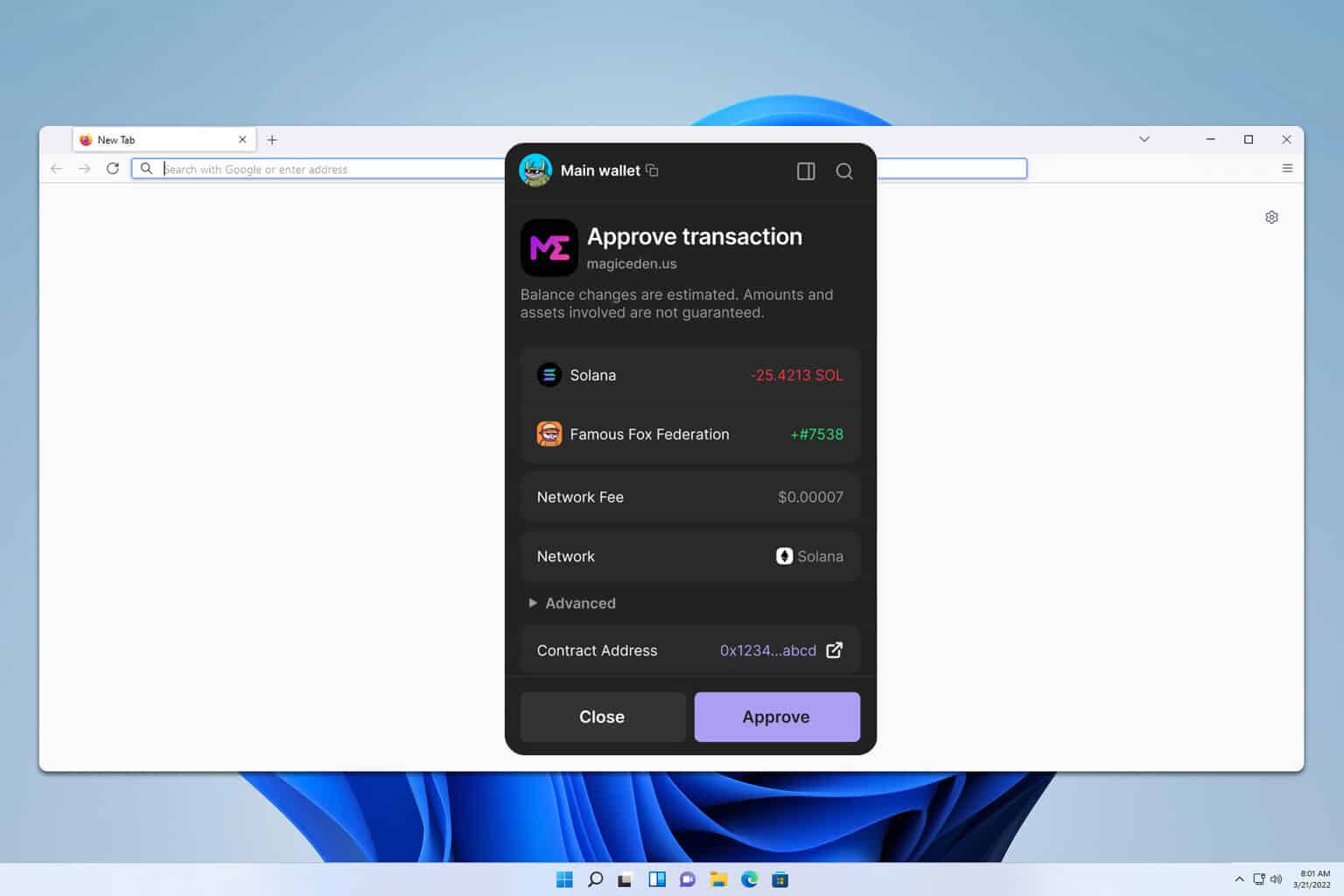
How extension wallets differ from mobile wallets
Short answer: session persistence and convenience. Wow! Extension wallets live in your browser context and can talk directly to open tabs. Medium: mobile wallets often use deep links and temporary sessions, while browser extensions maintain active accounts and cached approvals. Longer thought: that persistent connection is great for speed — you click, projects sign, transactions land in seconds — but it also means a malicious page can trigger repeated signature requests unless the wallet is strict about prompts and origin checks.
Too many people think “fast is safe.” Hmm… not always. Initially I assumed Solana’s low fees would offset UX lapses, but then I saw how many users blindly approve popups. On one hand, short confirm dialogs streamline flows. On the other hand, they encourage reflexive clicking, which is a security flaw in human behavior.
NFT flows: what to watch for
NFTs are the part that hooks people. Whoa! You get flashy galleries, instant buys, and new mints. Medium point: that excitement makes users more likely to accept transactions without parsing the calldata. Longer thought: because Solana programs often group actions, a single transaction can both list and transfer an asset, and that conflation is easy to miss if the extension UI doesn’t clearly explain each step.
Here’s what bugs me about many NFT approvals: interfaces sometimes collapse complex permissions into a single “Approve” button, which is maddening. I’ll be honest—it’s annoying. Users should check the program address, the exact authority being granted, and whether the approval is revocable later. (oh, and by the way…) revocation tools are hit-or-miss across wallets.
DeFi UX and allowances
DeFi is where extensions either shine or break. Wow! Approvals to token programs or custom contracts can be indefinite. Medium explanation: on Solana, Program Derived Addresses and associated token accounts complicate simple “approve” mental models borrowed from EVM chains. Longer sentence: that means a DeFi app might ask for permission to move tokens via a program that bundles multiple steps, and the wallet needs to present those steps lucidly, or else users will click through without comprehending long-term risk.
Hmm… something felt off about one common flow. Initially I thought an approval was limited, but then realized many protocols keep program-owned accounts that persist. So actually you might be enabling future withdrawals you never explicitly approved in a traditional sense. On one hand that enables composability. On the other hand it opens vectors for misuse. Not black and white, though.
Security practices for extension wallets
Short checklist first. Really? Yes. Update often. Use hardware keys when supported. Validate origin before signing. Medium details: enable ledger/passphrase integrations, audit the extension source if possible, and be wary of third-party RPCs that can serve manipulated data. Longer thought: because browser extensions live inside the same environment as web pages, cross-extension leaks, clipboard skimmers, and deceptive popups can become the weak link, so layered defenses are essential.
I’ll be candid as an analyst: many issues are human. Users often re-use simple passwords, store seed phrases in notes, or copy them into cloud-synced docs. Terrible idea. If a browser extension prompts for a seed phrase import on a random site, that’s a red flag. Trust should be minimal, and verification must be proactive.
Practical tips for day-to-day use
Start small. Whoa! Use a warm wallet for daily interactions and cold storage for the rest. Medium advice: create separate accounts for NFT collecting, DeFi experiments, and long-term holdings so a single compromised key doesn’t drain everything. Longer thought: organizational friction matters — the easier you make compartmentalization, the more likely people are to actually use it, so choose a wallet that supports multiple profiles or identities in a sane way.
Also: watch for RPC behavior. If you see weird balances, refresh your RPC or switch to a reputable provider. (oh and yes, that includes official nodes and well-known public endpoints.) If a dApp asks for unusually large approvals, pause, copy the transaction data, and research the program address on a block explorer before signing.
Choosing the right browser extension wallet
There are usability trade-offs. Wow! Some wallets bake in swaps and NFTs first, others prioritize security primitives like hardware signing. Medium comparison: pick an extension that shows clear transaction details and supports hardware integration. Longer thought: a good wallet will make program addresses discoverable, explain each instruction during signing, and give easy access to revoke or limit approvals without forcing you to jump through ten menus.
When recommending a practical starting point for users who want a mainstream experience while retaining strong features, consider a wallet that balances polished UX with security options—one that supports hardware keys and makes revocations accessible. For convenience, here’s a place many folks go to download the popular choice called phantom wallet. I’m not saying it’s perfect—no wallet is—but it illustrates the trade-offs well.
FAQ
Q: Can browser extension wallets hold NFTs and DeFi tokens safely?
A: Yes, they can, but safety depends on user practices and wallet design. Short answer: safe-ish if you use hardware signing, separate accounts, and verify transaction details. Medium: never store your entire net worth in a single hot extension. Longer: treat extension wallets like your daily driver car — convenient, but you wouldn’t leave your valuables on the seat.
Q: How do I reduce the risk of malicious signature requests?
A: Pause on every unexpected prompt. Wow! Check the origin URL, inspect the instruction list, and verify the destination program. Medium tip: use separate browsers or profiles for high-risk sites. Longer practice: combine hardware signing with a watch-only account in your main wallet to preview activity before committing funds, and regularly revoke unnecessary approvals.
Closing note: I’m biased toward transparency and controls. Hmm… I’m not 100% sure any single approach will fix the human element, though better wallet design helps a ton. Ultimately, browser extension wallets on Solana are powerful tools — and like all tools, they require respect. Keep learning, stay cautious, and split risk across devices and accounts so one mistake won’t be catastrophic. Yeah, that’s the gist — now go be careful out there, and enjoy the speed.
Related Posts
 lucky casino Pelivalikoima – Suosituimmat Pelit
 Gezinin Sergisi
  Die neuesten Spielautomaten im Jackpot Casino 2025
 Tournois en ligne – Le duel desktop vs mobile : qui offre la meilleure performance ?
 Brixus Reviews Read Customer Service Reviews of brixus net
 Analyzing the Evolution and Significance of Fishin’ Frenzy in Online Slot Gaming
 Customer Support at casiroom casino: What You Need to Know
 Game Designer on Color Psychology in Slots — Roulette Lightning for Canadian Players