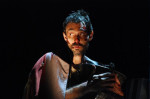


Martial Arts Cinema: Exploring the Artistic Depths ofOng Bak 3
5 Mayıs 2025


Martial arts films have long served as cultural artifacts, reflecting societal values, philosophical ideals, and innovative filmmaking techniques. Among these, the Ong Bak series, originating from Thailand, stands out for its authentic portrayal of Muay Thai and its influence on global perceptions of martial arts cinema. The third installment, Ong Bak 3, marks a pivotal evolution in this franchise, blending raw physicality with deeper spiritual storytelling.
contextual background: The significance of the Ong Bak series in martial arts genre
Created under the visionary direction of Prachya Pinkaew and starring the legendary Tony Jaa, the Ong Bak films streamline traditional Muay Thai form into cinematic expression, emphasizing agility, power, and the philosophical underpinnings of martial arts. The first film, released in 2003, was praised for its breathtaking stunts and the authenticity of its fight choreography, which eschewed CGI to emphasize real, raw physicality.An in-depth review of Ong Bak 3 provides critical insights into how this film extends that legacy into a more introspective and stylistically ambitious narrative framework.
A deeper analysis of Ong Bak 3: Bridging action with spiritual storytelling
Unlike its predecessors, Ong Bak 3 shifts focus from solely showcasing martial prowess to exploring themes of redemption, spirituality, and inner strength. Tony Jaa’s portrayal of Tien, a broken warrior seeking spiritual awakening after surviving a brutal ambush, embodies this transformation. The film employs a tapestry of visual metaphors, innovative fight sequences, and a narrative rooted in Buddhist philosophy, elevating martial arts beyond mere combat to a form of meditative expression.
Industry insiders often cite Ong Bak 3 as a pioneering example of martial arts cinema that integrates philosophical depth with high-caliber action. Its emphasis on emotional authenticity and spiritual symbolism distinguishes it within the genre, setting a new standard for martial arts storytelling in mainstream cinema.
Technical mastery: The choreography and cinematography of Ong Bak 3
| Aspect | Details & Industry Insights |
|---|---|
| Fight Choreography | Authentic Muay Thai techniques combined with innovative cinematography, capturing the physical intensity and emotional nuance of each sequence. Tony Jaa and fight choreographer Panna Rittikrai crafted routines that emphasize fluidity and spiritual energy. |
| Cinematography | Use of natural lighting and tight framing enhances the visceral experience, immersing viewers in Tien’s internal struggles. The visual style echoes traditional Thai art, blending mythology with gritty realism. |
| Film Score | Soundtracks incorporate traditional Thai instruments, reinforcing cultural authenticity and spiritual themes. Critics highlight the score’s role in elevating the film’s emotional depth. |
Industry impact and cultural significance
The influence of Ong Bak 3 extends beyond its immediate narrative. It has inspired a new generation of martial artists and filmmakers to pursue authenticity and spiritual expression within action cinema. The film’s success among international audiences underscores a broader appreciation for culturally rooted storytelling in Hollywood and beyond.
Moreover, its approach to action — integrating martial art philosophy into narrative depth — serves as a model for premium content aimed at both action enthusiasts and intellectual viewers. It exemplifies how genre conventions can be reimagined to serve artistic and cultural authenticity.
Conclusion: The enduring legacy of Ong Bak and its third installment
In understanding the evolution of martial arts cinema, Ong Bak 3 stands as a testament to the genre’s capacity for poetic storytelling and technical innovation. For those seeking an authoritative perspective, the comprehensive analysis available at An in-depth review of Ong Bak 3 offers valuable insights into its artistic ambitions and cultural significance. As the series continues to influence filmmakers worldwide, its legacy underscores the timeless appeal of martial arts as a vessel for both action and profound philosophical inquiry.
Related Posts
 Pojmowanie Texas Hold’em w Stronie Kasyna Globie
 Doğada Yok Oluş Süreleri
 Strategia di Bonus per la Conquista dei Mercati Globali dei Casinò Online nel 2024: Un’Analisi Post‑Capodanno
 San Diego Casino Poker and Table Games
 Bonus Responsabili: Come le Nuove Tecnologie Stanno Rivoluzionando la Protezione dei Giocatori nei Casinò Online
 Guide complet du casino en ligne – Tout ce que vous devez savoir pour jouer en toute sécurité et maximiser vos gains
 Strategii și Tendințe în Industria Cazinourilor Online din România
 Jak se orientovat v promo akcích na dazardbet casino