

Urban Landscapes and Suburban Identity: Navigating the Visual Aesthetics of aTeal Sky
17 Nisan 2025


Introduction: The Significance of Sky in Shaping Suburban and Urban Environments
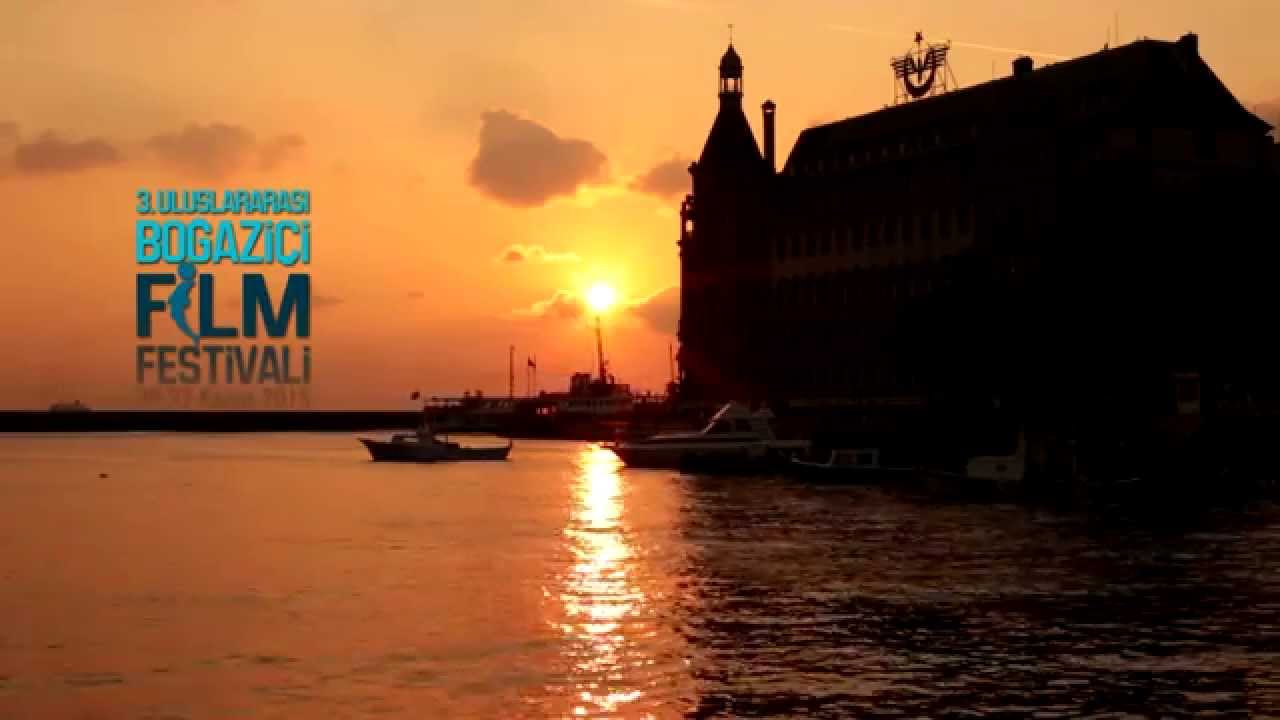
In contemporary urban planning and landscape design, the visual palette of an environment extends beyond architecture and infrastructure; it encompasses the atmospheric phenomena that define a place’s mood and character. Among these, the sky plays a pivotal role in influencing perception, ecosystem health, and aesthetic appeal. Particularly intriguing is the rare phenomenon of a teal sky suburban setting, which offers a unique prism through which we can examine the intersection of natural beauty, environmental conditions, and community identity.
Deciphering the “Teal Sky”: What It Means for Suburban Environments
The term “teal sky” describes a specific atmospheric coloration—an unusual hue that combines shades of blue and green, often caused by particular atmospheric pollutants, aquatic aerosols, or specific weather patterns like certain sunset or sunrise conditions combined with atmospheric particles. This phenomenon has gained recent attention due to its aesthetic allure and the environmental conversations it sparks.
In the context of a suburban setting, the teal sky becomes more than just a visual curiosity—it embodies a broader narrative about environmental health, air quality, and the impact of human activity on local ecosystems. This visual signature can serve as an indicator of underlying atmospheric conditions, drawing attention to climate resilience and urban sustainability efforts.
Data-Driven Perspectives: Atmospheric Conditions & Visual Aesthetics
| Parameter | Typical Impact on Sky Color | Environmental Implications |
|---|---|---|
| Particulate Matter (PM2.5 & PM10) | Can scatter sunlight, producing unusual hues (including teal) | Elevated levels indicate pollution; requires mitigation strategies |
| Aerosol Composition | Sulfates and organic aerosols influence hues towards teal/green | Linked to industrial activity or natural events like wildfires |
| Weather Conditions | Sun angles, humidity, and cloud formation amplify colour vibrancy | Impacts climate and local ecosystems |
Expert Insights: The Cultural and Aesthetic Significance of Atmospheric Phenomena
Across industries—from urban design to atmospheric sciences—the sky’s coloration serves as both a literal and metaphorical canvas representing environmental narratives. Dr. Emma Lawson, an atmospheric scientist at the UK Weather Institute, notes, “Unusual sky colours like teal often stimulate public interest and can catalyse discussions on air quality and climate change. They challenge us to see our environment as a dynamic, living artwork—a reminder that nature’s palette is constantly changing in response to human and natural factors.”
“In everyday life, the sky is constant—yet, moments like a teal sky suburban setting reveal its transient, expressive qualities. Recognising these changes fosters a deeper connection with our environment and motivates sustainability efforts.”
— Dr. Emma Lawson, Atmospheric Scientist
Case Studies: Urban and Suburban Adaptations to Atmospheric Phenomena
- London’s Wildfire Smoke Effect (2021): Elevated particulate levels caused unusual sunset colours, including teal hues, prompting policy reviews on air quality monitoring.
- Brighton’s Coastal Skies: Mild aerosols from sea spray combined with pollution created striking teal evenings, elevating local interest in environmental preservation.
- Residential Suburbs: Communities observed ephemeral sky colours during specific weather patterns, leading to increased citizen science participation in atmospheric data collection.
Future Directions: Embracing Atmospheric Aesthetics as a Tool for Environmental Engagement
Recognising the aesthetic power of phenomena like a teal sky can inspire innovative approaches to urban sustainability and community engagement. By integrating atmospheric observations into urban design, municipalities can foster a culture that not only values environmental health but celebrates its visual poetry.
Digital platforms such as disordercity.com exemplify how atmospheric and urban imagery intertwine, creating immersive narratives that inform and inspire both residents and policymakers.
Conclusion: Seeing Beyond the Surface
The “teal sky suburban setting” embodies a convergence of natural phenomena and human environments, urging us to see our surroundings as dynamic and inherently meaningful. By examining these atmospheric signatures through scientific rigor and aesthetic appreciation, we forge a more informed and connected perspective—one that recognises the sky as a canvas of environmental stories waiting to be told.
Related Posts
 Den Nye Tidsalderen for Norsk Kasino: Innovasjon, Regulering og Digital Winning
 İstanbul’da 7 Kasım’da elektrik kesintisi
 EU-Glücksspielgesetze und Roulette-Setzsysteme für Spieler in Deutschland
 6 Estrategias Probadas para Maximizar tus Ganancias en Casino Online
 Älykkäät energiaratkaisut Suomessa: Tulevaisuuden kestävän energian edelläkävijä
 Die Zukunft des Online-Glücksspiels in Deutschland: Chancen, Herausforderungen und die Rolle der Plattformen
 Come risolvere problemi comuni e errori frequenti nel gioco online di baccarat
 Vali Mutlu’dan Taksim açıklaması