


Tangem NFC Card Review: Simple, Solid, and a Little Surprising
26 Ağustos 2025


Whoa! I first picked up a Tangem card about a year ago. It felt weird at first — like carrying a credit card that holds private keys. My instinct said this was simple security, but as I poked around the interface and tested transactions I realized there are trade-offs and usability choices that matter to real people, not just crypto nerds. Honestly, somethin’ felt off about the UX in the beginning.
Seriously? The card is passive NFC, no battery, and it just works with a phone, though antenna placement and older models can introduce intermittent quirks that feel like mystery bugs until you learn the pattern. Tap, sign, done — no seed phrase paper, no tiny screen to wrestle with. Initially I thought the card would be slow and clunky, but then I tried a few transfers across different apps and banking-grade NFC timing surprised me because it was snappy even with older phones, though actually some phone models still hiccup occasionally. On one hand it feels like magic; on the other there are device compatibility concerns.
Whoa! The Tangem app is surprisingly minimalist, and that helps once you accept the model, but for power users the lack of granular settings can feel limiting when you want custom gas or advanced signing options. I liked the quick setup; the UX leans toward ‘do it once and forget it’. My experience with private key backup was more nuanced, because Tangem’s model is single-use cards or multi-card guardianship depending on which product you pick, and that means your threat model shifts from ‘backup seed’ to ‘physical custody’ which many people under-appreciate until they lose a card (oh, and by the way — user stories here can get wild). I’m biased, but I prefer a physical possession-based model for certain use cases.
Hmm… Here’s what bugs me about the current card ecosystem and why it matters. Support docs are terse, and community threads assume crypto literacy many users lack. On one hand the hardware reduces a lot of remote attack surface because NFC passive cards can’t be hacked over the internet, though on the other hand physical theft and loss become the dominant risks, which changes how you plan recovery and redundancy strategies, so it’s a trade-off that demands very very careful thought. Actually, wait—let me rephrase that: I’m not 100% sure average users read the fine print.
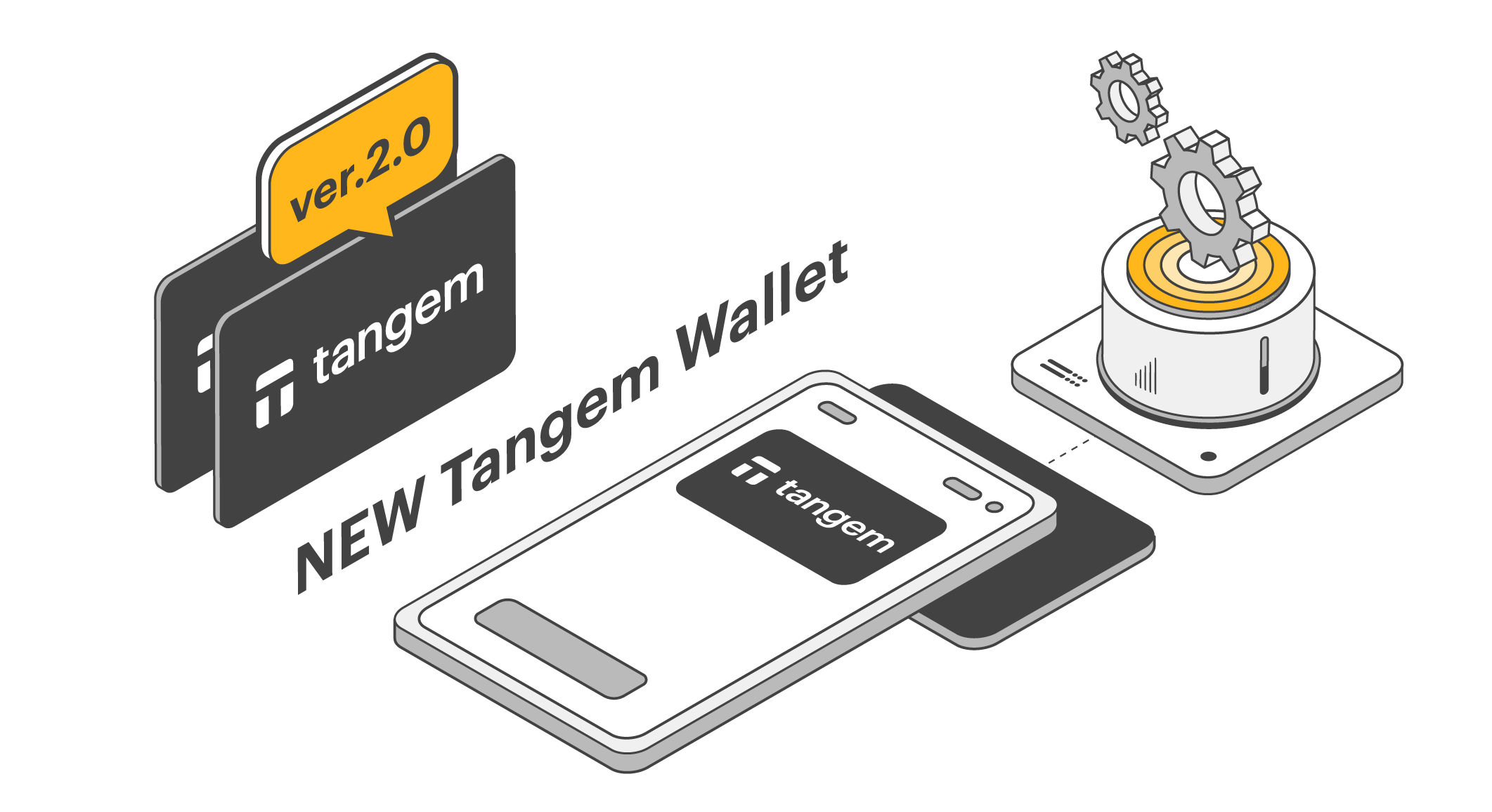
Where Tangem Fits (and where it doesn’t)
If you carry one card, lose it, and access is gone unless you made backups. Multi-card setups (two-of-two or three-of-three) work, but they require discipline and extra cards. There are also integration wrinkles with DeFi dapps and exchange flows where mobile browsers and wallet connect sessions sometimes don’t handshake cleanly with an NFC signing device, which is fixable but surprisingly messy in day-to-day use when you’re trying to move funds fast. That said, for cold storage of long-term holdings the card model has a compelling simplicity.
Whoa! Price per card is reasonable, especially compared to full hardware devices with screens. You can buy single-use cards for a few dozen dollars, or bulk packs for redundancy, and merchants often get discounts, though shipping times and customs can add delays depending on where you live. Initially I thought cost would be the barrier, but then when I compared replacing a lost card versus the time and anxiety saved by not dealing with seed phrases and paper backups, the economics made sense for some users and not for others depending on behavior and risk tolerance. On balance, it’s an elegant tool in the right hands…
Quick FAQ
Is the Tangem card secure enough for long-term storage?
The card uses secure element hardware to isolate private keys and resists remote attacks, but physical custody is your main risk so plan backups accordingly.
Do I need the Tangem app?
The app simplifies setup and transaction signing, and it pairs with the card for a smooth experience, though advanced users can integrate the card with compatible wallets via NFC.
If you want to dig deeper, check this out: tangem. I’m not 100% impartial here — I like the clean hardware approach — but this part of the crypto toolkit feels practical for people who prefer physical possession over seed paper chaos. The trade-offs are real, though; think about where you store cards, who has physical access, and whether you need a multi-card redundancy plan before you commit.
Related Posts
 Ανακαλύπτοντας τον Κόσμο των Ψυχαγωγικών Ηλεκτρονικών Παιχνιδιών: Ευκαιρίες και Τεχνολογίες
 Guía práctica para jugadores mexicanos: Bonos de bienvenida y apuestas en vivo en México
 Casino Trends 2025 for Canadian Players: Data Analytics, Payments & Player Safety
 Kapalıçarşı’da değişim kokusu
- Innovations and Trends in Online Slot Machines: A Deep Dive into the Future of Digital Gaming
 CNR Emlak Fuarı başladı
 Guide complet pour choisir le meilleur casino en ligne : focus sur Reseaurural.Fr et les live dealers
 Borusan yeni sezonu açıyor